The role of technology developed by Elbit Systems in current U.S. border policy
Elbit Systems’ border technologies helped turn the U.S. border into a heavily surveilled kill zone that allows for expansion of state control and violent suppression of dissent.
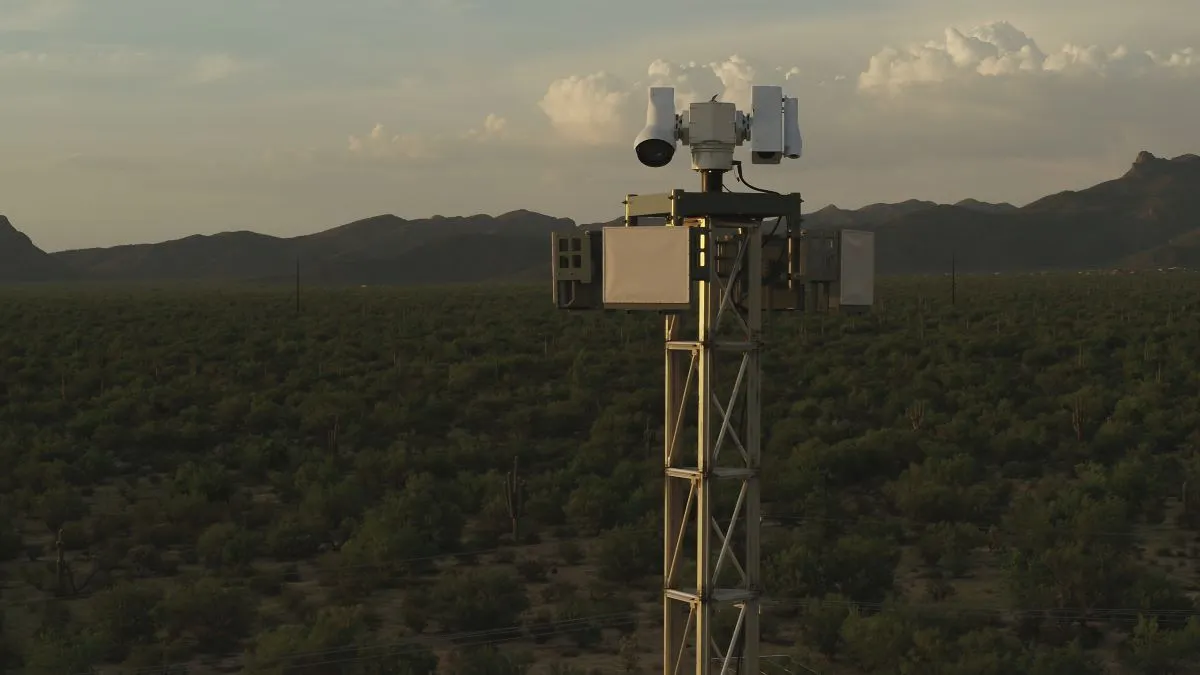
Militarization of the U.S.-Mexico border
Since 2014, Elbit Systems, operating under its subsidiary Elbit Systems of America, has been working to increase the militarization of the U.S.-Mexico border. 1 Elbit’s technology in the area included tools of widespread state surveillance: 55 fixed surveillance towers with a surveillance radius of 7.5 miles each, modular mobile surveillance systems, and tunnel threat systems. 2 3
These highly militarized technologies have contributed to a “funnel effect”, 4 pushing migrating humans into rougher, more dangerous paths where they are more likely to die of exposure to extreme environmental conditions such as extreme heat leading to stroke or dehydration.
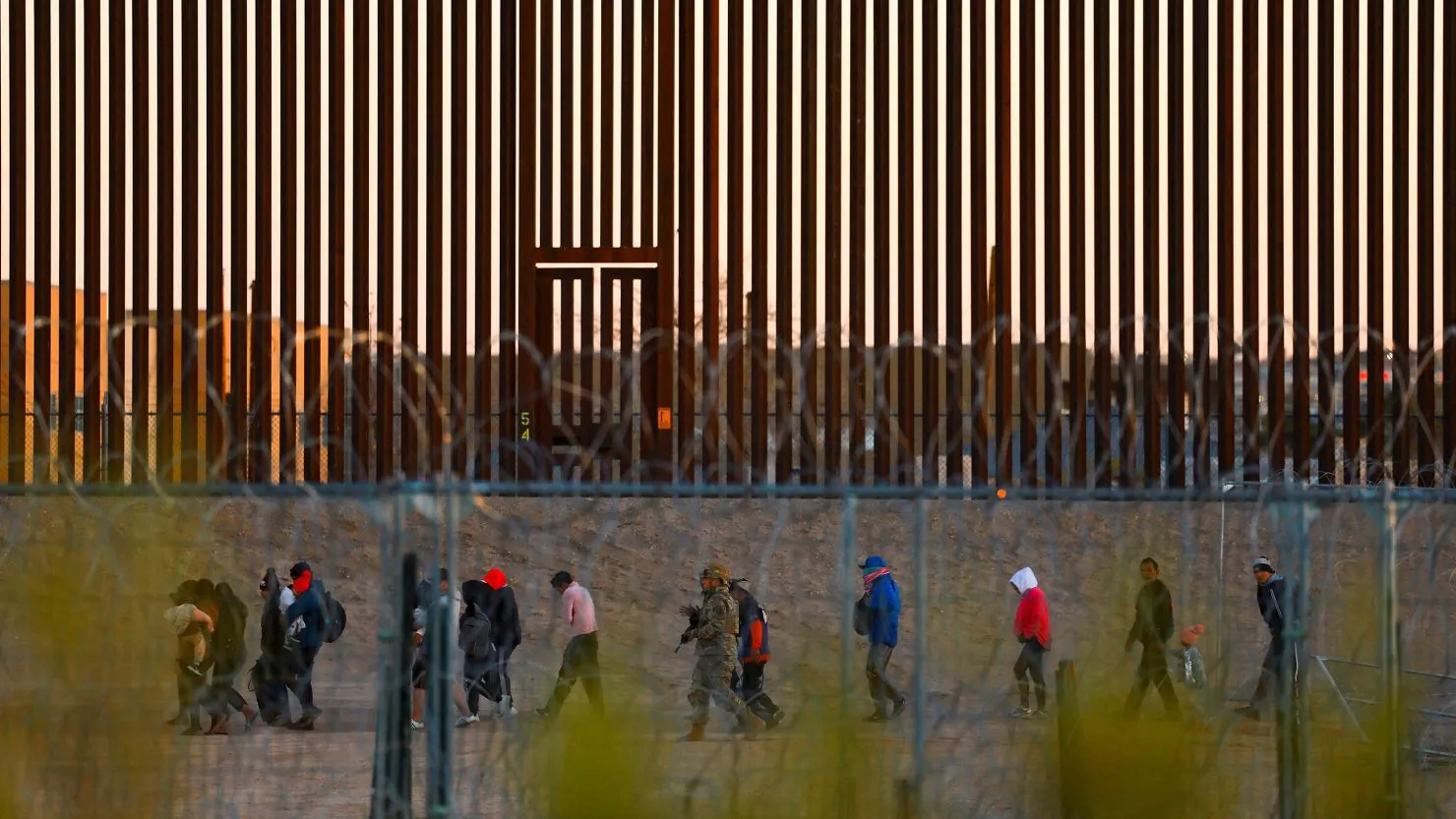
Effects of increased surveillance
In the period from 2017 to 2022 (the last year in which the U.S. government has reported these statistics, despite having a legal requirement to report yearly), the number of reported deaths of migrating persons on the U.S.-Mexico border increased from 281 to 895. 5
The surveillance technologies of Elbit Systems are being used not only at border zones, but also for repressions of any civil dissent inside the state itself. In 2017, these systems were used over a period of eight months to monitor citizens due to the “emerging threat of demonstrations”. 6
The end goal of these technologies is not only border control, but the establishment of a broader, more powerful surveillance state. Logos Technologies, another U.S. subsidiary of Elbit, promotes itself as a “pioneer” in surveillance devices using wide area motion imagery that employ “medium-resolution cameras to monitor activity across a city-sized area”. 7

Repressive architecture of borders
The integration of surveillance technologies supplied by corporations like Elbit Systems into U.S. border infrastructure reveals active instruments of targeted repression with demonstrable human rights consequences. The militarization of the border through physical barriers, surveillance, and armed patrols directly harms Indigenous communities whose ancestral lands are bisected by the boundary. Moreover, it endangers the lives of migrating persons and suppresses any form of dissent.
This evidence suggests that the transfer of such technology facilitates human rights abuses and therefore demands greater accountability and transparency from both corporations and the governments that contract them. 8
Sources
https://www.reuters.com/article/us-elbitsystems-arizona-contract/elbit-systems-wins-homeland-security-contract-idUSBREA2104K20140302/ ↩
https://www.researchgate.net/publication/330786155_Mortality_Surveillance_and_the_Tertiary_Funnel_Effect_on_the_US-Mexico_Border_A_Geospatial_Modeling_of_the_Geography_of_Deterrence ↩
https://www.cbp.gov/newsroom/stats/border-rescues-and-mortality-data ↩
https://dn721502.ca.archive.org/0/items/6335897-RVSS-San-Diego/6335897-RVSS-San-Diego.pdf ↩