Uvnitř obchodní sítě zabijáckých robotů: vazby mezi LPP, Elbit Systems a českým státem
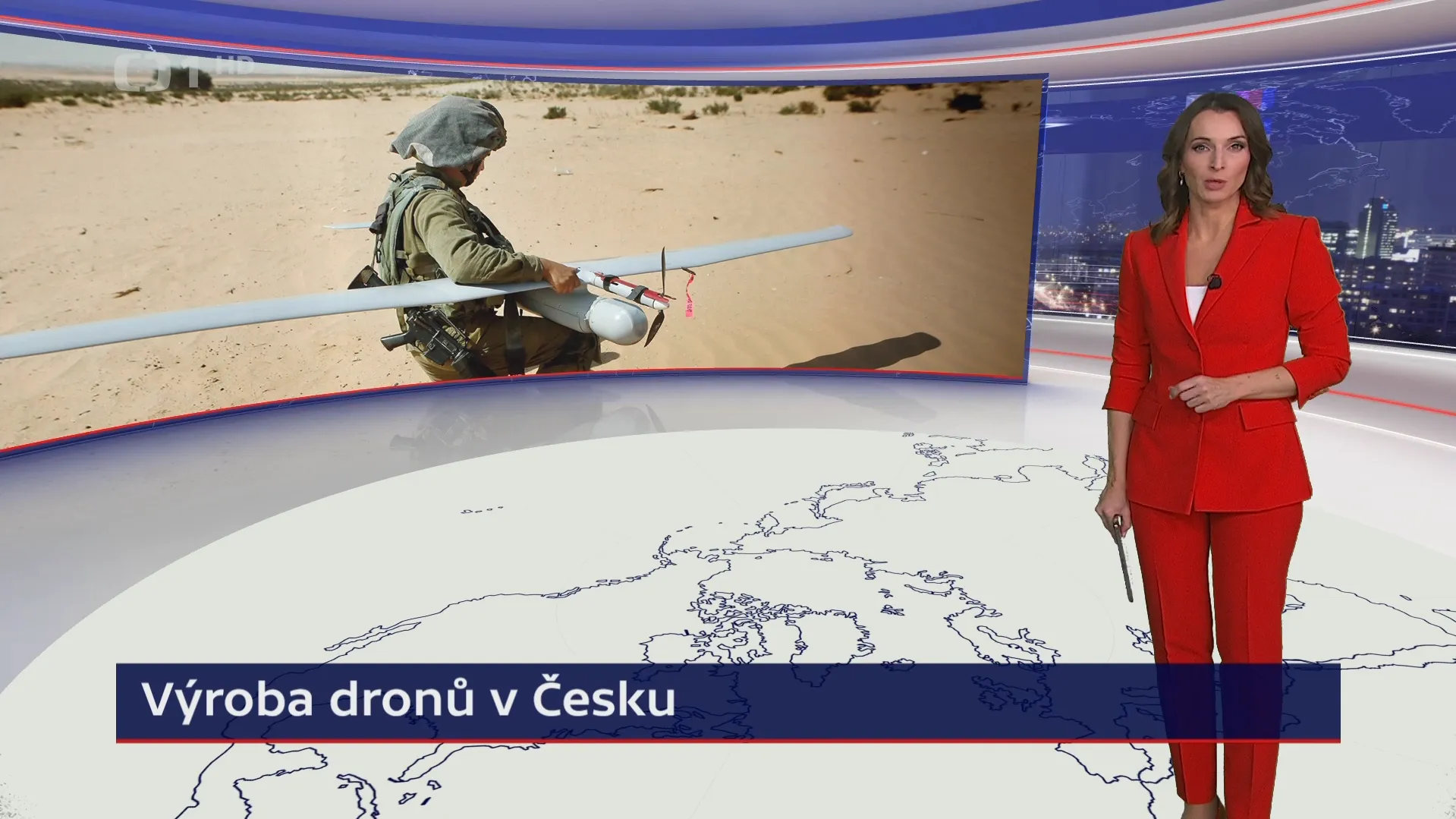
Společnosti LPP a Elbit měly jasný záměr spolupracovat na výzkumu a vývoji bezpilotních vojenských systémů využívajících umělou inteligenci pro Izrael. Tato spolupráce měla plnou podporu českého státu, a přestože se možná nikdy neproměnila ve skutečnou výrobu dronů, společnost LPP zaznamenala výrazný nárůst své reputace jako průkopníka moderních řešení pro vedení války. To bylo mimo jiné možné díky dlouhodobému získávání veřejných dotací, během čehož měla tato společnost nespornou historii vazeb na českou politiku.
V současnosti pracujeme na českém překladu. Prozatím si můžete přečíst anglickou verzi. Děkujeme za strpení.
Abstract
Despite attempts by Israel’s Elbit Systems Ltd. (Elbit) and Czech Republic’s LPP Holding a.s. (LPP) to deny their deadly collaborations on advanced military technology, this research report exposes their partnership throughout the ongoing genocide against Palestinians in Gaza, as well as the recent occupation of Lebanon. While LPP denied the drone production following a fire in its facility in Pardubice, the relationship between the two remains confunsing and unknown to the public. This report attempts to fix this by giving a concise overview over the history of collaboration between the two companies and countries, the faces behind the operations and their interests. By shedding light on key people involved in the local military business and their ties to both national and international politics, a conflicts of interests becomes apparent, spanning across the Czech political party spectrum. While having close ties with Czech politics, LPP has been consistently receiving public funding support for years. This includes the recent investments up to 30 million CZK in EU taxpayer money spent on research and development of AI-powered swarms of drones. Such technology further removes the human agent from the act of killing, reducing people to targets and framing mass-murder as innovation.
Key takeaways
- After signing a memorandum of collaboration on October 6, 2023, LPP and Elbit have repeatedly expressed their ecitement of the future accomplishments and profits their cooperation ought to have brought;
- The cooperation happened with the support and blessing of the Czech government, being signed in the Czech Embassy in Tel Aviv and reminding us of the fact that leading LPP representatives have connections to both Czech and international political structures;
- Being involved in corruption scandals and having a history of ties with Russia, LPP turns out to be not an innocent actor but a key participant in the global war machine that values profit regardless of who the weapons are pinned against;
- In this light, LPP’s narrative of support of Ukraine highlighted after the increased exposure of its ties to Elbit appear questionable, similarly as doubt was cast upon the expressed denial of past production after looking at the previous repeatedly expressed enthusiasms.

Introduction
On 20th March, 2026, a fire broke out at a warehouse in a facility owned by Czech weapons manufacturer LPP Holding. While the company had signed a memorandum of cooperation with Elbit Systems in Tel Aviv three years prior, the spokesperson of LPP, Martina Tauberová, claimed that the production of drones for Elbit Systems had never occurred in the Pardubice facility. At the same time, Tauberová never denied the possibilities of production of other military machinery for the Israeli company or any related past and ongoing cooperation in research and development of military tools.
Research and development was, in fact, supposed to be a key part of the cooperation. While LPP is presented in the media following the fire as a company that produced drones committed to the defense of Ukraine, the long-standing relationship to Elbit explored in this article tells a different story. This report will provide insight into the timeline of investment and cooperative engagement between the two weapon’s manufacturers and the people and their interests behind it, as well as the involvement of the Czech state.
Information related to military spending and action can not remain scattered over the internet but must be accessible and known. Decisions of the arms industry are inherently tied to the politics of a country and implicate its citizens, therefore, lack of transparency must be condemned. Deception becomes clear as the cooperation was presented to the Czech citizens in a good light as improvements in research and development, all the while the complicity of Elbit Systems Ltd. in worldwide human rights violations was already well documented by the time the memorandum of cooperation between Elbit and the LPP was signed in Tel Aviv on October 6th, 2023.

While Elbit’s reputation globally has already been stained, LPP and other related Czech actors have not yet faced much public scrutiny in their role in arming militaries involved in human rights violations and international law breaches. Similarly, other controversies surrounding them remain either unnoticed or forgotten by the general public, overshadowed by the recent incident or their proclaimed support for Ukraine. The evidence we present here proves intentional involvement of LPP in breaches of human rights across the world including the ongoing genocide in Gaza is undeniable.
The research outlined below is based exclusively on openly available information. It provides a concise overview of what is at stake and why the public should care, who is involved and the timeline of cooperation, as well as their connections to Czech and European governments and political interests, and the history of condemnations against them.

Conscience is at stake
Military spending reached an all-time global high in the past year. Since military budgets are allocated through government priorities and taxpayer money, the public has the right to know what individuals and connections stand behind the companies that both drive and profit from military technology development.
This includes LPP, which has been a repeated beneficiary of state funds as will be detailed later in this report. That makes the fact that it signed a Cooperation Agreement with Elbit who is infamous for its complicity in human rights violations worldwide a matter of worry for all Czech and European taxpayers.
Afer the incident in Pardubice, most media attention shifted to the pro-palestinian community in Prague and beyond. As detailed in our media analysis, published on April 4th, the public narrative and mainstream media reflects a biased and carefully manufactured frame intended to deflect the business and state interests invested in LPP and its partners and avoid the exposure of the global armed violence that make up their profits. This report aims to instead bring transparency to counter this deception with factual and openly available information on the use of Czech and European tax money for war business, and thus, to even out the public debate.

Who are the parties involved?
Elbit Systems Ltd. is an Israeli manufacturer of weapons and surveillance technology. Elbit’s role in multiple violations of international law and human rights abuses, including reports by multiple international monitoring bodies. 1 This points to the conclusion that Elbit’s profit comes at the cost of the lives of ten’s of thousands Palestinians and a decimated Gaza. We have already elaborated on proof of human rights violations and bribery as well as tender suspensions in previous articles, and will continue to do so in the future.
LPP Holding s.r.o. is a Czech high-tech company that develops advanced AI-powered defense systems, unmanned aircraft and other military equipment. Founded in 1993, they have since then gained a solid standing in the Czech arms market, including ties to the Czech government and representation of the Czech industry in international forums.
Czech company, international connections: The faces behind LPP
Top managers at LPP have had previous ties to NATO, most notably Miroslav Žižka, who served in the NATO headquarters in Brussels from 2014 to 2017, representing the Czech army in the Alliance structures.

After his contracted term ended, in the beginning of 2018 Žižka worked shortly in the government of Andrej Babiš where he took upon the role of defense advisor as Babiš was putting together his expert team. He, however, did not stay long and shortly after he joined the Ministry of Defense as an advisor to then-minister Karla Šlechtová. After that, he got employed in Excalibur International, the export agency of the biggest Czech arms producer, the Czechoslovak Group (CSG) owned by the billionaire Michal Strnad.
Besides having a history of corruption scandals and other questionable deeds and ties, CSG has a subsidiary with an ongoing cooperation with Elbit Systems. As of today, Miroslav Žižka works as the managing director at LPP Holding, where he was also executive director, special projects director and director of strategic projects over the 7 years he has worked for the company.
More dots in the web of politics with military business
This is not an isolated example of a LPP leading figure to have ties to other Czech arms producers, the Czech government and foreign entities. Martina Tauberová, the spokesperson of the Holding, served as Deputy Minister for EU and International Trade in the time period of 2019-2022 under the trade minister Karel Havlíček (ANO party). The owner of LPP Jiří Sauer was previously involved in CSG and is known to have had ties to Russian business.
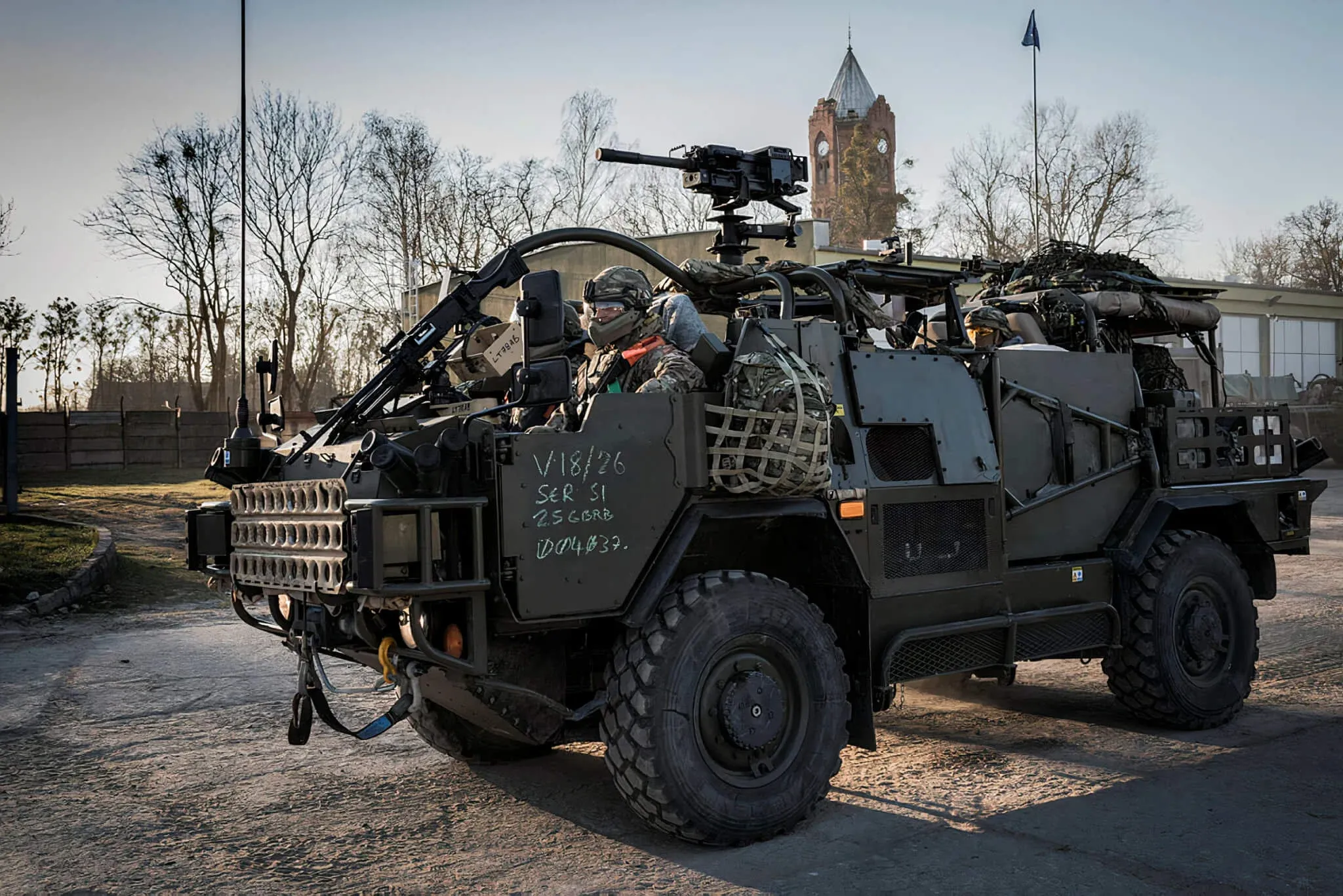
Deputy defense minister under the minister Jana Černochová (ODS party) in the years 2022-2025, František Šulc, used to co-own a company together with Jiří Sauer which later merged into LPP. He is also connected with a well-known corruption scandal involving vehicles provided by LPP. These cases are just a brief llustration of the entanglements of money, power and favoritism inside the networks of killer robot business. We will look more closely into each of them in our further research.
The timeline of cooperation between Elbit and LPP
On 6th October 2023, a Cooperation Agreement was signed between Elbit Systems and LPP s.r.o in the Czech Embassy in Tel Aviv, Israel. Special focus of the agreement was the development of unmanned aerial and ground vehicles, systems also referred to (by the NY Times as well as in academia and civil society sphere) as “killer robots”. To underline the brutality of the systems we will refer to them as such in this report and elsewhere.
The signing parties were LPP director Miroslav Žižka and Elbit vice-president of Marketing & Business Development, Amir Bettesh. The agreement already foresaw on-the-ground production in the Czech Republic itself, building a “Center of Excellence” for drones in Europe. It was seen as a win-win situation on a business-to-business level, where both sides stood to gain. Elbit profited from access to the NATO and EU markets through Czechia, gaining supply chain stability and upgrading by being less costly. While LPP profits off the technological knowledge in weapons manufacturing that Elbit provides, adding its expertise in AI development to killer robots.
Moreover, the Agreement was signed “under the aegis of Ambassador Designate Extraordinary and Plenipotentiary of the Czech Republic to Israel, Veronika Kuchyňová Šmigolová”. In the same statement, the Czech Ministry of Foreign Affairs (MFA) claimed that “one of the missions of [the Czech] Embassy [in Israel] is to foster business collaboration and seek potential connections between Czech and Israeli industries, especially in the high-tech defense areas, where both can substantially contribute to the benefit of both military and civilian sector development.”
Excitement over future, satisfaction with the past
On October 10th, 4 days later, both sides confirmed their collaboration in interviews. Elbit’s Executive Director Yoram Shmuely mentioned that “[Elbit] is very lucky to be partners of LPP” and that “[Elbit Systems is] convinced that together [with LPP] they will be able to realize many successful projects”. LPP’s CEO Radim Petráš said in an interview that “it will be true honor to become Elbit’s strategic partner for UAVs in Europe”.
The information was also released on LPP’s official website as an article under the title of, once more, building a “Center of Excellence” in the field of drones research and development. Overall, the excitement was apparent. What also comes as apparent from the available media sources is that the people in the leadership of LPP were proud of their cooperation with Elbit and saw it as an achievement. In words of Radim Petráš, the co-owner of the Holding, “[he was] very proud of the fact that Elbit chose [LPP] as their partners”. The Czech MFA was proud of it as well (see above).
It may seem that there are no historical roots to this development of events. On December 5th 2023, however, as part of a contribution on Česká televize, Amir Bettesh claimed that Elbit and LPP had been collaborating for years, suggesting that this apparent friendship began way earlier than that.
How this collaboration was structured, what it included and resulted in is unknown to us as of now. Yet, the descriptions of LPP’s projects supported by the Technological Agency of the Czech Republic as published on Starfos suggest development of unmanned ground and aircraft vehicles alongside with AI implementation in such systems.

The Czech-Israeli fora as platforms for Elbit’s business growth in NATO and EU space
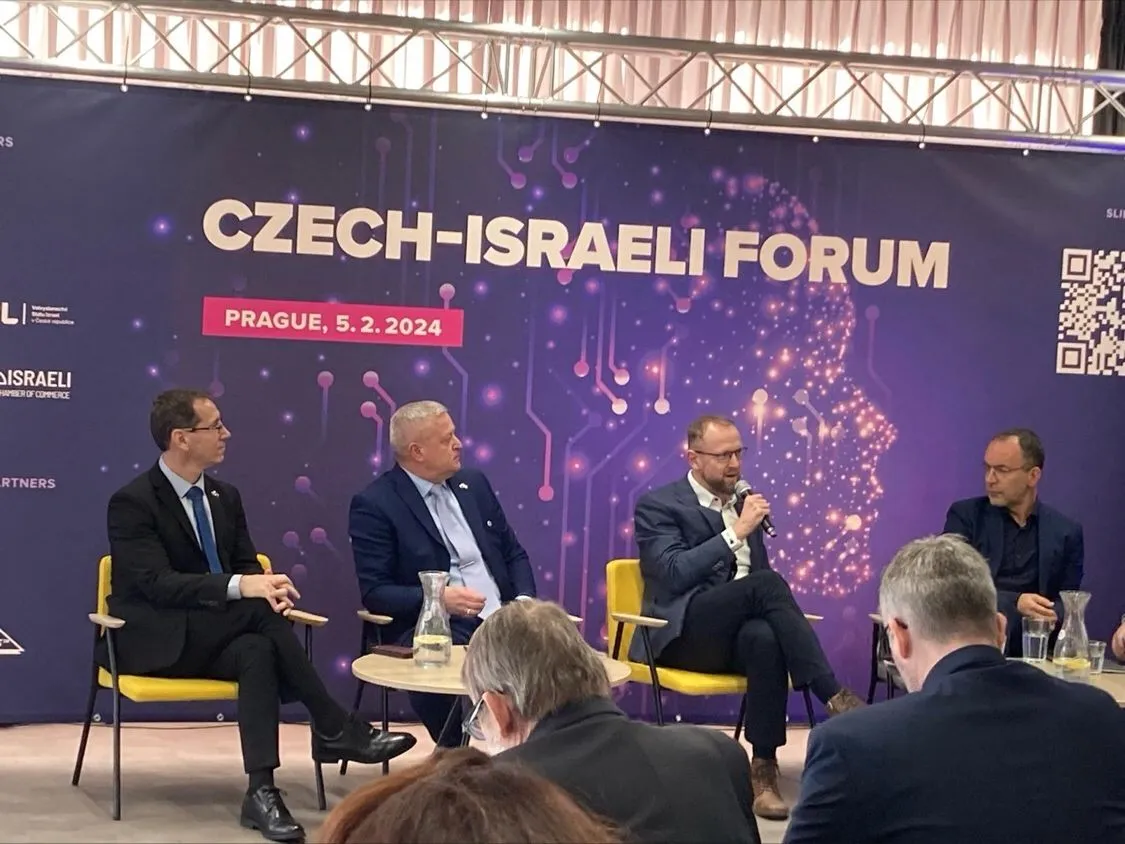
On Feburary 4th 2024, the Czech Embassy of the State of Israel in the Czech Republic and the Czech-Israeli Mutual Chamber of Commerce, in collaboration with the Institute for Politics and Society hosted the Czech-Israeli Forum in Prague. This event was financed by Elbit Systems and LPP s.r.o., the two now collaborating actors. Miroslav Žižka (LPP) and Omer Frank (Business and Management, Elbit) presented an optimistic outlook on their collaboration on drones in a panel on “Inspiration for Joint Projects” (see recording of the discussion from 1:31:00 onwards).
In the introduction speeches in the same recording, the two representatives doubled down on the blossoming Czech-Israeli connections, with Omer Frank mentioning noting that he has always felt very welcome in the Czech Republic, as well as and underlining that they are looking for a long-term relationship. The essence of their shared vector for “technological innovations” is the importance of killer drones for modern warfare, the joint venture allowing for a combination of LPP’s existing expertise in Artificial Intelligence and Elbit’s manufacturing know-how of UAVs and UGVs.
Additionally, at the Forum, protestors were present exercising their right to free speech and protest with the aim of calling out the key function of Elbit Systems in the genocide of Palestinians. On the occasion, one visitor of the forum turned to the protesters and exclaimed “I hope you get raped”. Under any circumstance, such a direct call to sexual violence is unacceptable and must be condemned. The person was still allowed to participate in the conference and, to our knowledge, faced no consequences.
Such events are not limited to the past. In the end of May 2026, again under the Mutual chamber of Commerce, Czech-Israeli Business forum was organized in Prague. On the website of the Israeli Embassy: “Our defense industry is represented here by world-class Israeli companies: Elbit, Rafael and IAI. Landmark deals have already strengthened Czech security. We want to do more.” as said by Gideon Sa’ar.
This suggests that elite Czech business and government representatives still seem to be more than happy to provide a platform for Elbit to grow its presence in the Czech and European market, even in 2026, that is, after almost three years of atrocities in Gaza and beyond done with the help of weapons systems manufactured by Elbit.

Cooperation underway?
On February 7th 2024, Radim Petráš, the Co-owner and financial director of LPP, said in an interview that “one of the projects we are preparing with Elbit involves the Israeli army. [LPP] will start production in the new facilities of [its] Pardubice center already this year [in 2024]”. In light of the context elaborated before, this is proof for at the least the intention to use of the Pardubice site for producing UAVs, or, killer robots, acquired by LPP s.r.o. Whether drones bound to Israel were produced in the site is not explicitly stated in open sources yet LPP’s official documents make it clear that governmental funds funneled into “enhancement of killer drones with AI” were spent.
The 2024 financial report of LPP s.r.o., a subsidiary of LPP Holding, states that the project “Research and development of a portable Ground Control Station with AI elements for autonomous control and mission planning of UAVs and UGVs” is, among others, supported by the Ministry of Industry and Trade of the Czech Republic and the Technological Agency of the Czech Republic. Out of the almost 22 million CZK total approved costs of the project, 8.5 million is funded by “Non-public and foreign sources.” The origin of these funds is not clear.
However, the flow of money, is confirmed by data stored in the Czech Technological Agency’s database of projects that received public funding through the Agency’s programs. The Czech Government has been supporting LPP’s research into UAVs by channeling EU money through the Operational Program Technology and Applications for Competitiveness (OP TAK). OP TAK is the European Union’s primary funding program for Czech businesses. The Technological Agency of the Czech Republic (TAČR), under whose supervision the Holding’s subsidy LPP s.r.o. first ran a project in 1995, is one of the distributing agencies for the given program.
Development of AI-powered swarms of killer robots
One of the ongoing L.P.P’s projects, financed by the Technology Agency of the Czech Republic, is aimed at the “development and experimental validation of an autonomous system for task management and distribution in a heterogeneous swarm of unmanned vehicles” and “includes the design and implementation of distributed control algorithms that enable autonomous task redistribution among swarm nodes, human-swarm collaboration, and integration with higher-level control systems”. This means that the project is intended to develop high-tech warfare solutions, specifically, an AI-powered system that traces targets and makes autonomous decisions to kill them.
The term “heterogenous swarm” refers us to both unmanned ground and aircraft vehicles (e.g. drones, tanks), while “human-swarm collaboration” means that only one human operator is needed to manage collossal waves of dozens, if not hundreds of vehicles at once. This process happens specifically through the implementation of DCS (distribute control systems) and thermal vision modules (one of Elbit’s specializations), both of which allow independent target tracing and task ditribution betweem the swarm vehicles.
This kind of technology is developed in order to fully automatize modern warfare and completely separate the human agent from the act of murder on the battlefield itself. The project focusing on development of AI-powered killer robots officially started on January 1, 2025 and is meant to continue until December 31, 2027. The project costs 53 million CZK, 29 million CZK of which were financed from European taxpayer money.
The description of the project in fact matches perfectly everything previously stated by Radim Petráš regarding LPP’s new Pardubice site for developing, building and modernizing UAVs. He presented it as an expansive project focusing on research and possibilities for Czech engineers to learn from their foreign partners, including innovations in using AI for autonomous operation of killer robots.

Inconsistent argumentation?
While LPP’s spokesperson Martina Tauberová claimed that no production ever followed the agreement, looking at the committed collaboration in organising forums and harnessing personal relationships, as well as the flow of money and recent projects, the sincerity of the statement is called into question. Especially when considering the pre-existing excitement stemming from the upcoming collaboration and optimistic outlook of a long standing relationship and cooperation in terms of research, development, and production of killer robots.
In June 2025, a delegation of Czech engineers traveled to Israel to see Elbit Systems’ main factory. The delegation’s stated goal was to deepen and strengthen cooperation between Czech and Israeli defense industries. During this trip, the group of Czech engineers was supposed to be shown the process of production in Elbit Systems’ factories. The companies included in this study visit were not disclosed.
All this data leads to the conclusion that there was a clear intention of using the facility in Pardubice to manufacture UAVs and/or the related technology, such as the above-mentioned AI elements or thermal vision modules, in cooperation with Elbit Systems. We, along with international movements of #StopElbit, condemn this collaboration and refuse the participation of the Czech republic in such a possibility in the future.
Conclusion
In this article, we summed up the timeline of the history of cooperation between LPP and Elbit Systems, pointing out the incostistency of the public statements given after the recent incident at the Pardubice facility when compared with both sides’ statements given and actions taken previously. These have suggested that cooperation is well underway and included excitement about its results, which is in contradiction with the allegation that no cooperation ever started.
Moreover, we have gathered data here showing patterns of favoritism in actions of leading figures in the Czech arms industry and LPP in particular, as well as their personal ties to both Czech politics and international institutions. The involvement of the Czech state was present also through backing the cooperation at its very beginning, but also through the grants given to research and develop and produce killer drones with AI technology.
In fact, almost 30 million Czech crowns were invested in this, channeled from the European Regional Development Fund as part of the OP TAK program. This is the European Union taxpayers’ money. We believe that EU taxpayers should have access to information regarding companies and projects their money goes to, and especially so if these include ties to foreign entities whose products are involved in documented human rights violations.